
Creativity and Healing: A Mind-Body Approach
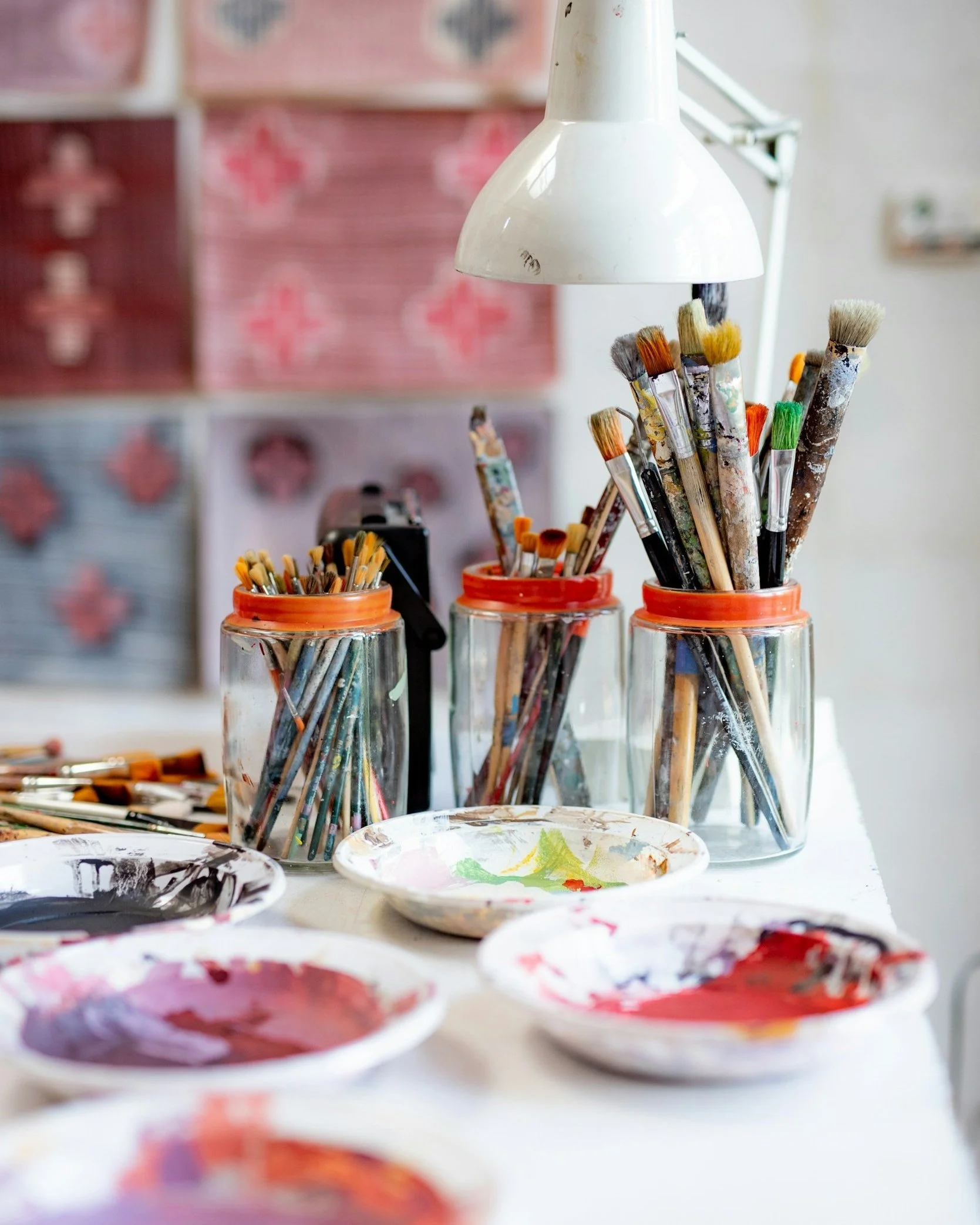
Creativity is often seen as a source of inspiration or a form of self-expression, but its role in healing goes much deeper. Whether through art, writing, music, or movement, engaging in creative practices can have meaningful effects on our emotional and physical wellbeing.
As a somatic mind-body practitioner, I’ve seen firsthand how connecting with our creativity can support emotional processing, deepen self-connection, and cultivate present-moment awareness.
Let’s explore the science behind creativity’s powerful impact on healing and how you can harness its benefits to support your emotional wellbeing.
The Science of Creativity and Healing
At its core, creativity stimulates the brain in ways that promote healing. Creative activities engage multiple brain regions, including those related to memory, problem-solving and emotional regulation. The process of creating – whether drawing, writing, cooking or dancing – activates the brain’s reward centre, releasing dopamine, the "feel-good" neurotransmitter, which helps reduce stress and anxiety.
Creativity also engages the brain's neuroplasticity, the ability to form new neural connections. This can be especially supportive when working with the effects of trauma. Trauma alters our neural pathways, reinforcing patterns of fear, stress, overwhelm and anxiety. Through creativity, we can begin to form new pathways that support resilience, calm, and emotional balance.
Processing Stress and Trauma Through Creativity
When we experience stress or trauma without the ability to process it safely, our bodies store these experiences at a cellular level, leading to chronic symptoms like physical tension, emotional overwhelm, or dissociation. Creativity can help us express and process these unarticulated emotions, allowing unconscious experiences to surface.
Somatic practices, which focus on the mind-body connection, take this a step further by bringing attention to how emotions manifest in the body. For example, tension in the shoulders might reflect the burden of stress, while a tightness in the chest may signal unprocessed grief. By using creativity alongside somatic awareness, we can tap into the body’s wisdom, allowing these emotions to surface and soften.
Nurturing this mind-body connection can expand our nervous system’s capacity for joy, safety, and resilience. Mindfulness and present-moment awareness deepen our understanding of our needs and desires, fostering empowerment and self-discovery. This holistic approach supports emotional processing and can open the door to a more authentic and fulfilling way of living.
How Somatic Practices Enhance Creative Healing
Somatic practices involve tuning into bodily sensations and emotions as they arise, which pairs naturally with creative expression. When the two come together, we deepen our understanding of how experiences live in the body and create space for greater integration and self-awareness.
Here are some gentle ways to bring somatic awareness into creative practices to support emotional wellbeing:
Journaling with Body Awareness:
Before writing, take a few deep breaths and notice how your body feels. Are there areas of tightness or discomfort? Allow your body to guide your writing, letting thoughts and emotions flow freely from what you’re feeling physically.
Somatic Drawing or Doodling:
As you begin to draw or doodle, tune into your body. Are there any sensations, like tingling or tension, that you notice? Let your hand move in response to these sensations, using the drawing process to express what your body is holding onto. Don’t worry about what it looks like, use your body and emotions as a guide for expression.
Movement as Creative Release:
Engage in free-form movement or dance, letting your body move in whatever way feels natural. Focus on how the movement affects your breathing, your muscles, and your emotional state. Movement can be a powerful tool to release stored trauma and stress, allowing emotions to be processed somatically.
Collage for Emotional Expression:
If you prefer a visual representation of your emotions, try creating a collage. Start by collecting images, colours or words that resonate with how you feel. As you piece them together, stay present with any bodily sensations that arise. The act of creating a visual story can help bring clarity to what you're processing internally.
Creativity and the Inner Child
An often-overlooked aspect of creativity is its ability to reconnect us with our inner child. Our inner child is the part of us that is playful, curious, and open to new experiences, but it’s also where many of our early wounds lie. Creative activities can unlock these childhood emotions, offering an outlet to process old pain while also embracing joy and curiosity. Whether it’s doodling with no goal in mind or dancing freely to your favourite music, engaging your inner child can be a deeply nurturing and healing experience.
Embracing Your Creative Healing Journey
Creativity isn’t just about producing something beautiful, it’s about the process. It’s about allowing yourself to explore your inner world, express your emotions, and heal from within. By combining creative practices with somatic awareness, you give yourself the opportunity to process stress and trauma in a safe, embodied way.
If you’re new to using creativity as a tool for healing, here are a few simple practices to start with:
Create a safe space: Set aside 10–15 minutes each day to engage in a creative activity. This could be journaling, drawing, or mindful movement. Find a comfortable space where you can be present with yourself. Bring in cues of safety, like a plant, candle or crystal, to help create a nurturing environment.
Stay present with your body: As you create, check in with your body. Are there areas of tension? Do any emotions come up? Let your body guide your creative expression, allowing it to release what it needs.
Approach with curiosity: If connecting with your body feels challenging due to trauma or illness, take it slowly. Focus on your breath or engage in light movement that feels safe. You can also visualise your body and imagine how it feels without needing to physically engage if that feels difficult. Come back to the cues of safety in your space if you feel overwhelmed.
Be gentle with yourself: Creativity is about self-expression, not perfection. Let go of the need to judge your work and instead focus on how the process feels. Trust that your body holds wisdom, and creativity can be one of the tools that supports this process.
Experiment and find what feels good for you: Explore different creative outlets and practices. Whether it’s painting, writing or movement, see what resonates with you and brings you joy.
By embracing creativity as part of your healing journey, you can foster mental and emotional resilience while regulating your nervous system, connecting with your inner child, and tapping into the wisdom of your body. Through creativity, we can heal, grow and discover our authentic selves.
If you’re curious about exploring this work with trauma-informed, nervous-system-led support, you’re very welcome to reach out or book a free discovery call to see whether it feels like a good fit.